
Is Artificial Turf the Right Product for You?
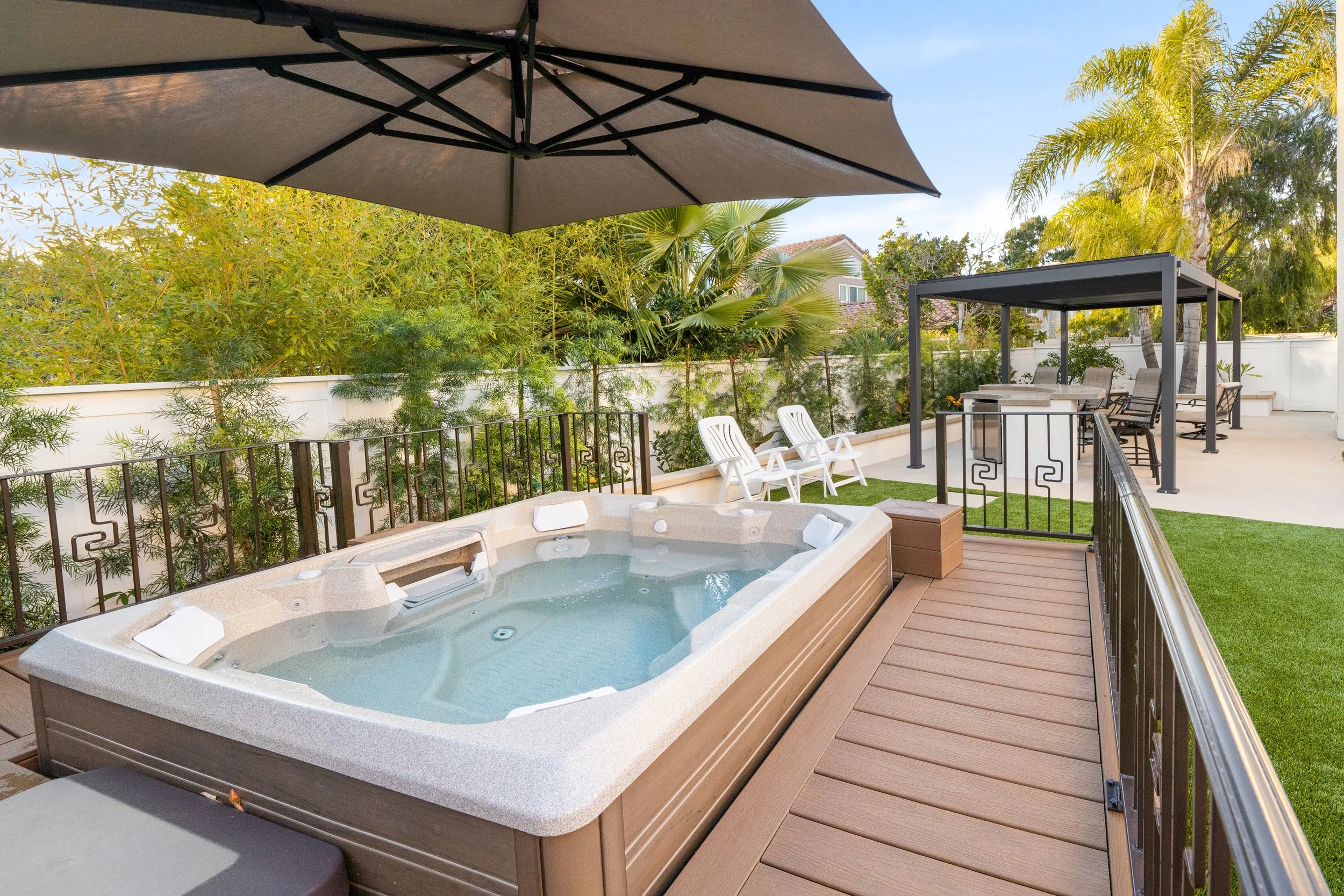
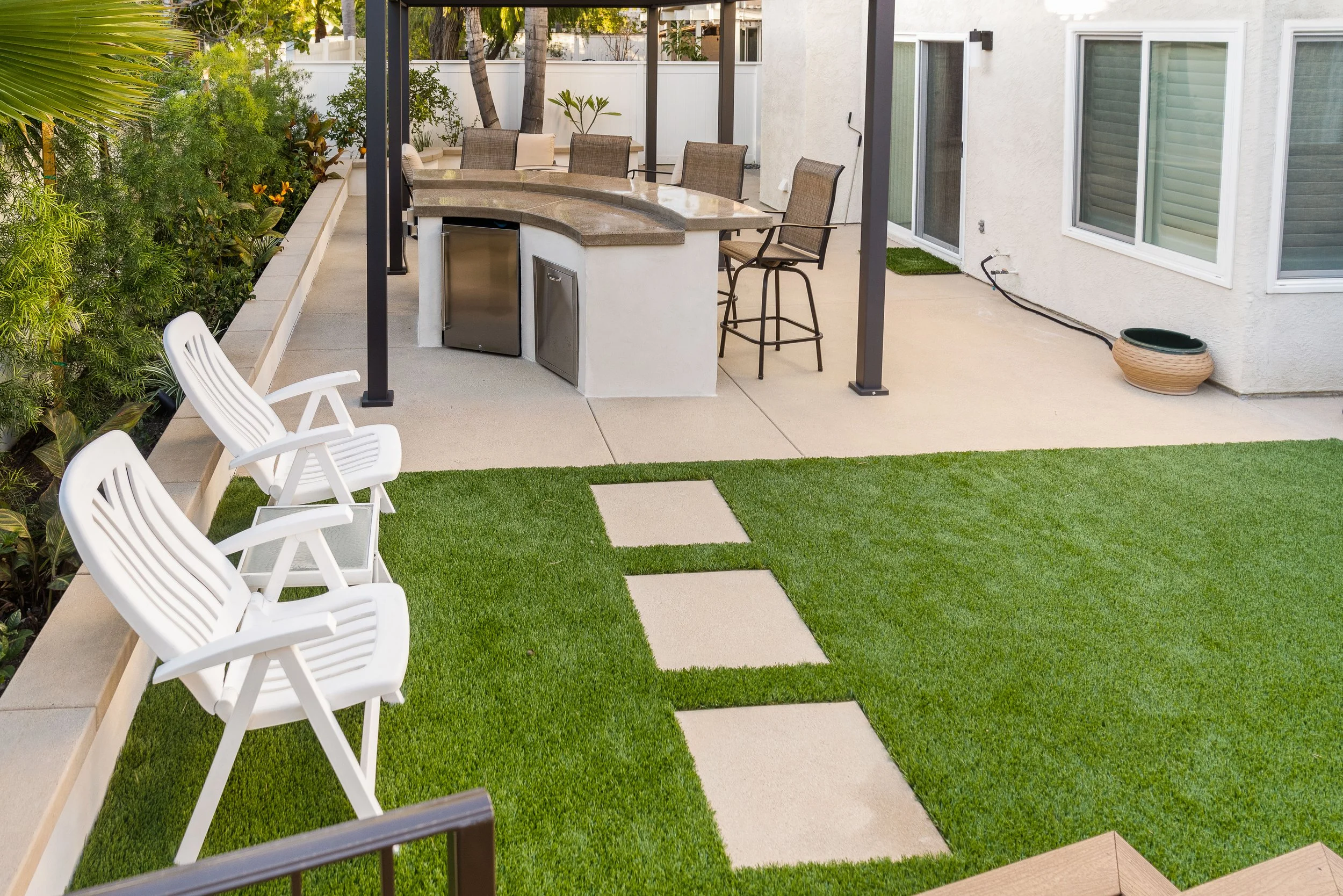
Key Takeaways
• Modern artificial turf products offer realistic texture, proper drainage, and multi-year warranties
• It eliminates watering, mowing, and fertilizing a meaningful advantage given California drought patterns
• Surface temperature in full sun can run higher than natural grass, worth considering for pool-adjacent areas
• It's best suited to defined lawn areas and pet zones rather than replacing every softscape element on a property
Artificial turf has shed most of the reputation it carried a decade ago. The products we install today have realistic blade texture, proper infill and drainage systems, and warranties that reflect genuine confidence in longevity.
The practical case. For a homeowner in Laguna Hills or San Clemente tired of drought restrictions, dead patches, and weekly mowing, turf eliminates the water bill and maintenance entirely while keeping a consistently green lawn year-round. It's also a strong choice for pet areas, where real grass often struggles to recover from repeated wear.
What's genuinely improved. Drainage technology has advanced significantly quality turf systems now manage rainwater and pet waste cleanup far better than older products, and antimicrobial infill options address odor concerns that used to be a legitimate complaint.
The honest tradeoff. In full, unshaded sun exposure common throughout Orange County summers, artificial turf surface temperatures run measurably higher than natural grass worth factoring in for areas near a pool deck where bare feet will be in contact with it. It also isn't a universal replacement; a large, open turf field is more affordable per square foot of coverage than trying to landscape the same area, but it works best as a defined lawn element within a broader design rather than covering every planting bed on the property.
What's underneath matters as much as the turf itself. A proper turf installation starts with excavation to the correct depth, a compacted Class II road base for drainage and stability, a weed barrier layer, and the turf itself secured and infilled typically with silica sand for ballast and increasingly with antimicrobial or zeolite infill options for pet areas to manage odor. Skipping proper base compaction is the most common cause of the "wavy" or uneven turf look homeowners sometimes associate with lower-quality installations, and it's rarely the turf product itself at fault.
What warranties typically cover. Quality turf products generally carry manufacturer warranties in the 10 to 15 year range covering fading and wear, though it's worth understanding that a warranty covers the product, not necessarily a poor installation underneath it which is why base preparation deserves as much attention in the conversation as which turf product you select.
The honest answer. For a low-maintenance, always-green lawn or a dedicated pet area, quality artificial turf is a genuinely sound long-term investment. For heavily shaded areas or where the softer feel of real grass matters most, natural lawn may still be worth the upkeep.
We install turf systems with proper drainage and base preparation as part of full backyard designs. Contact us at westhillsmasonry.com/contact or 714-519-5009.