
Do You Need an Architectural Plan or a Landscape Architect?
Key Takeaways
• Smaller, single-element projects (a patio, a fireplace, a small wall) often don't require a formal landscape architect
• Full backyard remodels, multi-level grade changes, and projects requiring city permits typically benefit from or require a design plan
• A landscape architect coordinates the full vision; a design-build contractor executes it, and the best projects involve both working together
• Skipping design on a complex project is one of the most common causes of costly mid-project changes
Whether you need a landscape architect largely comes down to project scope and complexity, not project budget alone we've seen modest single-feature projects that needed a plan and larger projects that didn't.
When you likely don't need one. A single, contained element a stand-alone fireplace, a patio replacement on flat, already-graded ground, a retaining wall along an existing property line can often be designed and executed directly with an experienced hardscape contractor, without a separate design phase. The scope is narrow enough that a clear conversation and a site sketch cover what's needed.
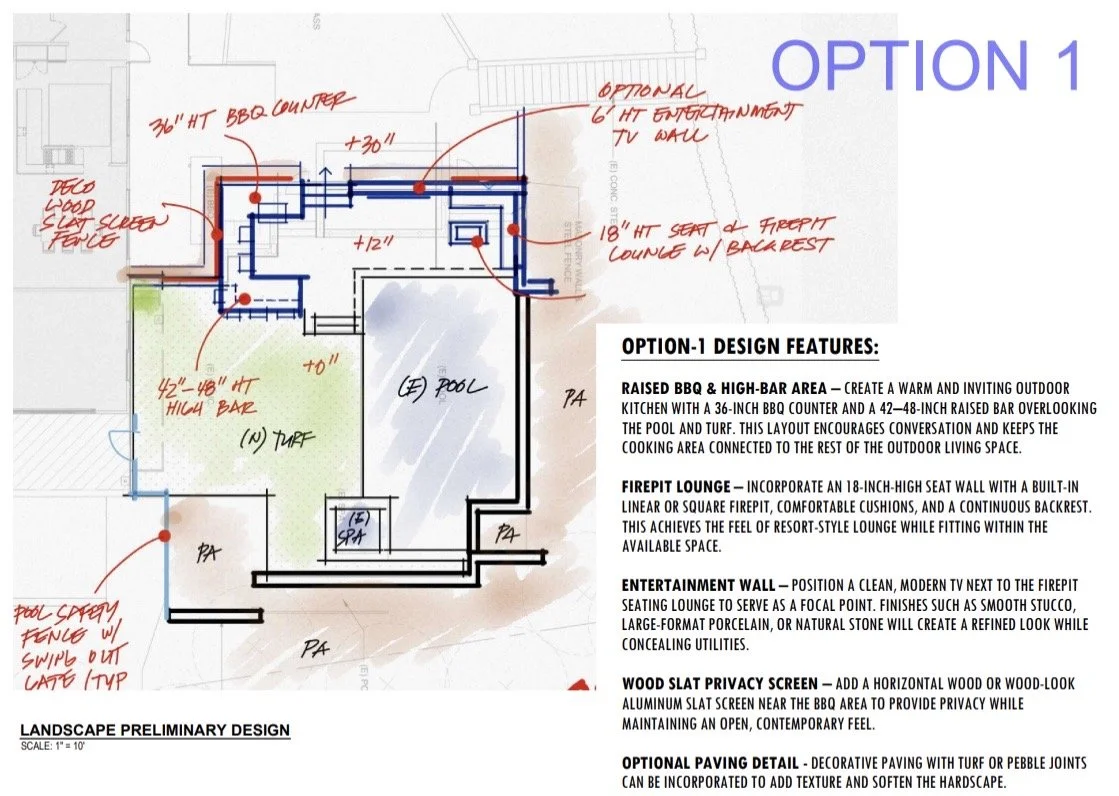
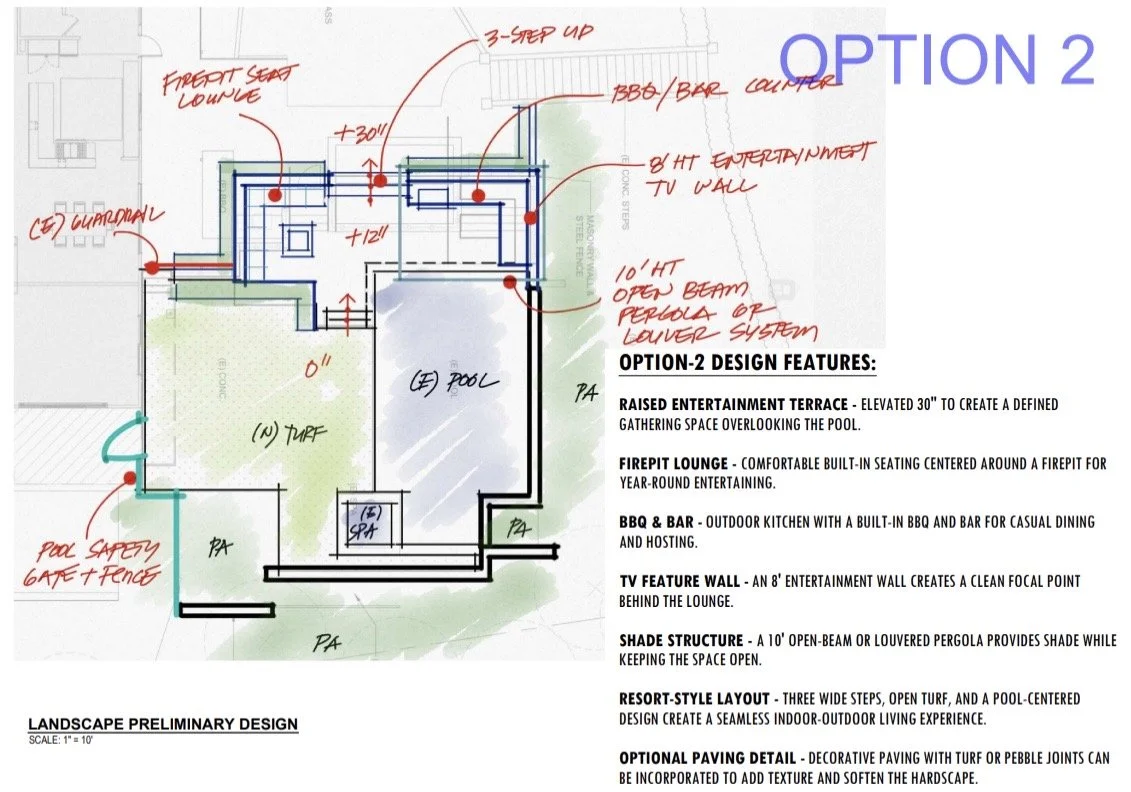
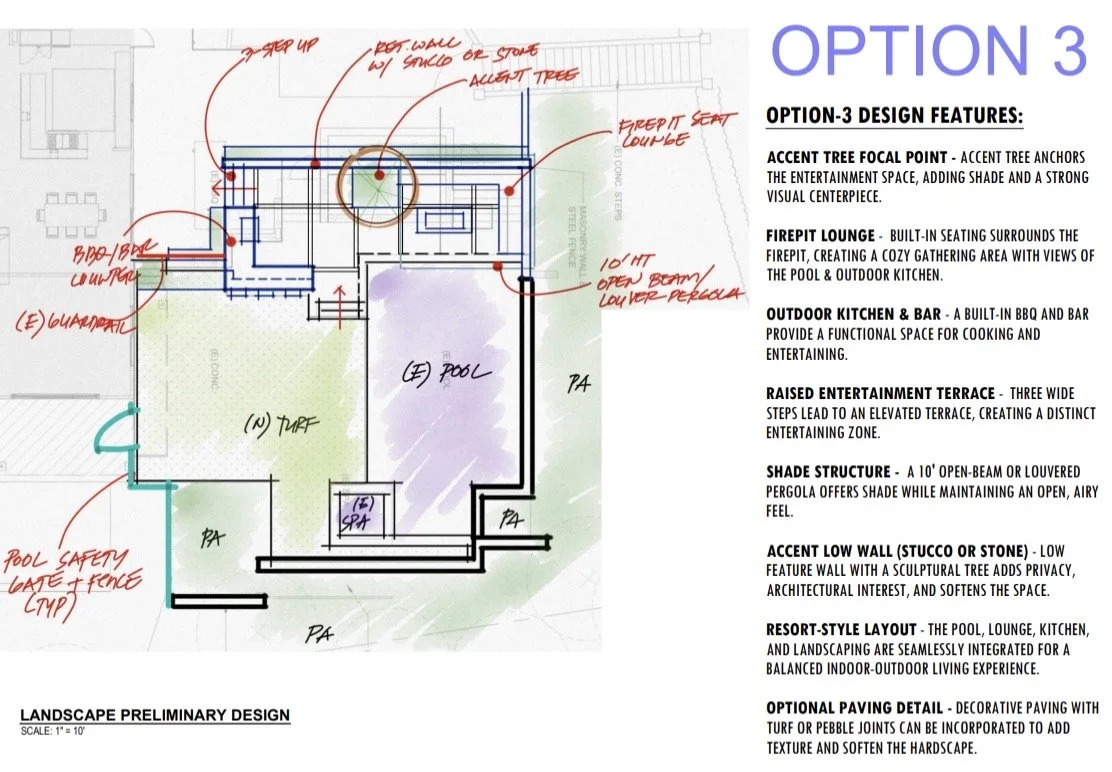
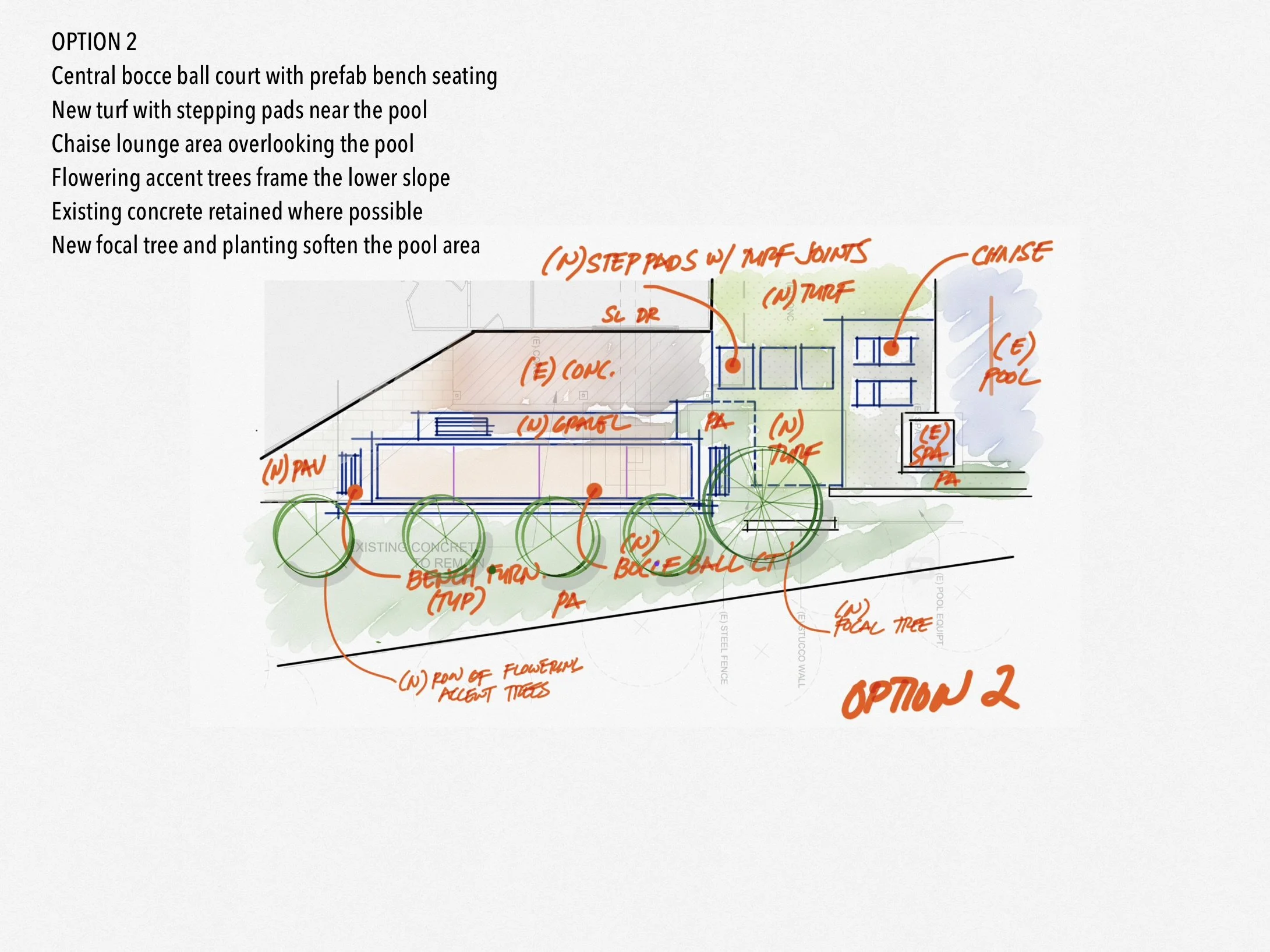
When a design plan earns its cost. A full backyard remodel involving multiple elements pool decking, retaining walls, an outdoor kitchen, grade changes, and planting design working together benefits enormously from a landscape architect's plan, because these elements have to be coordinated before construction, not figured out as they go. Grade changes in particular, common in the hillside lots throughout Coto de Caza and Anaheim Hills, often require an engineered plan for permitting regardless of your preference.
How the two roles work together. A landscape architect designs the full vision hardscape layout, planting plan, drainage strategy, material palette while a design-build contractor like us executes that vision on site, often working directly with the architect through construction to resolve field conditions the plan couldn't fully anticipate. We partner directly with landscape architects on our larger projects for exactly this reason.
What a design plan typically includes. A full landscape architecture package generally covers a hardscape layout plan, a planting design, a grading and drainage plan where relevant, and often a lighting plan, delivered as a set of drawings that a contractor can bid and build from accurately. Design fees are typically structured either as a flat fee based on project scope or as a percentage of anticipated construction cost, and the timeline to produce a full plan usually runs from several weeks to a couple of months depending on project complexity and how many revision rounds are needed.
Why skipping this step gets expensive. The most common costly mistake we see on undesigned, multi-element projects isn't bad workmanship it's decisions made in the field that don't account for how a later phase will interact with an earlier one, like a drainage path that wasn't planned around a retaining wall footing, or a lighting run that should have been sleeved under a patio before it was poured. A plan forces those conflicts to surface on paper, where they're inexpensive to fix, rather than in the ground, where they aren't.
The honest answer. If your project touches more than one major element or involves any grade change, invest in a design plan before you get bids it will save you money in avoided mid-project changes. If it's a single, straightforward element, you may be able to skip that step entirely.
We can tell you honestly whether your project needs a design phase before you spend money on one. Contact us at westhillsmasonry.com/contact or 714-519-5009.