The Art of Brick Masonry: What Separates Fine Bricklaying From the Rest
Key Takeaways
• Brick is not a commodity. Lines like Old Carolina Brick and Cushwa deliver an authentic, hand-molded Old World character, Boral Brick and Belden Brick offer textured, mortar-wash-ready finishes, and Pacific Clay Products delivers a clean, precise look for modern architecture.
• Pattern is an architectural decision, not a decorative afterthought. A sawtooth course adds texture to a cornice or garden wall cap, while herringbone paving is both structurally strong and visually distinct underfoot.
• A brick veneer facade using a standard or thin brick line in Orange County typically runs $18,000 to $35,000; hand-molded brick, mortar-wash finishes, and detailed patterns like sawtooth or herringbone generally push costs higher.
• West Hills Masonry works with premium brick manufacturers and lines to build facades, accent walls, and paving for homeowners across Corona Del Mar, Newport Beach, Laguna Beach, Dana Point, and Yorba Linda.
• Reach West Hills Masonry at 714-519-5009 to discuss a brick masonry project.
Brick is one of the oldest building materials in existence, and one of the easiest to get wrong. Anyone with a trowel can stack brick in a straight line. What separates a wall that reads as intentional, architectural, and enduring from one that looks flat and generic starts long before the first brick is set, with which brick, which pattern, and which manufacturer’s line is actually right for the architecture of the home.
Knowing the Brick Lines, Not Just the Brick
Brick is not a commodity, even though it’s often sold like one. The best manufacturers produce dozens of distinct lines, each with a different clay body, firing process, texture, and color range, and each suited to a different architectural intent. Knowing those lines well enough to match one to a specific home, rather than defaulting to whatever is in stock, is what separates a considered facade from a generic one.
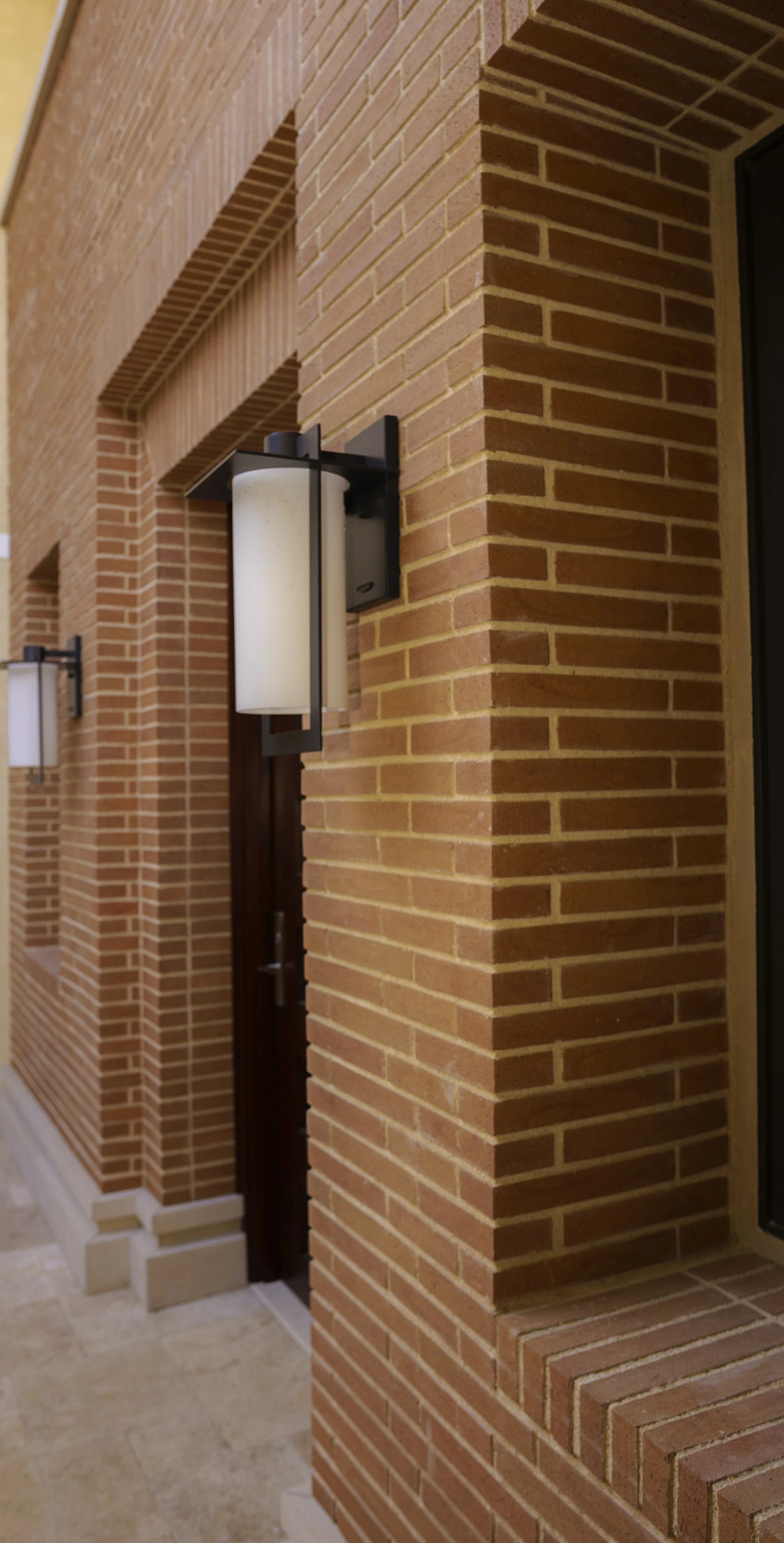
Hand-molded brick. Made using techniques that go back centuries, hand-molded brick carries irregular edges, subtle texture variation, and a warmth that machine-extruded brick can’t replicate. Lines like Old Carolina Brick and Cushwa are built specifically to capture this, brick that looks like it was fired and set by hand generations ago, because in large part, it still is. It’s the brick of choice when the goal is an authentic European or Old World character, an entry facade, a courtyard wall, a chimney, meant to look like it’s been there for generations rather than installed last spring.
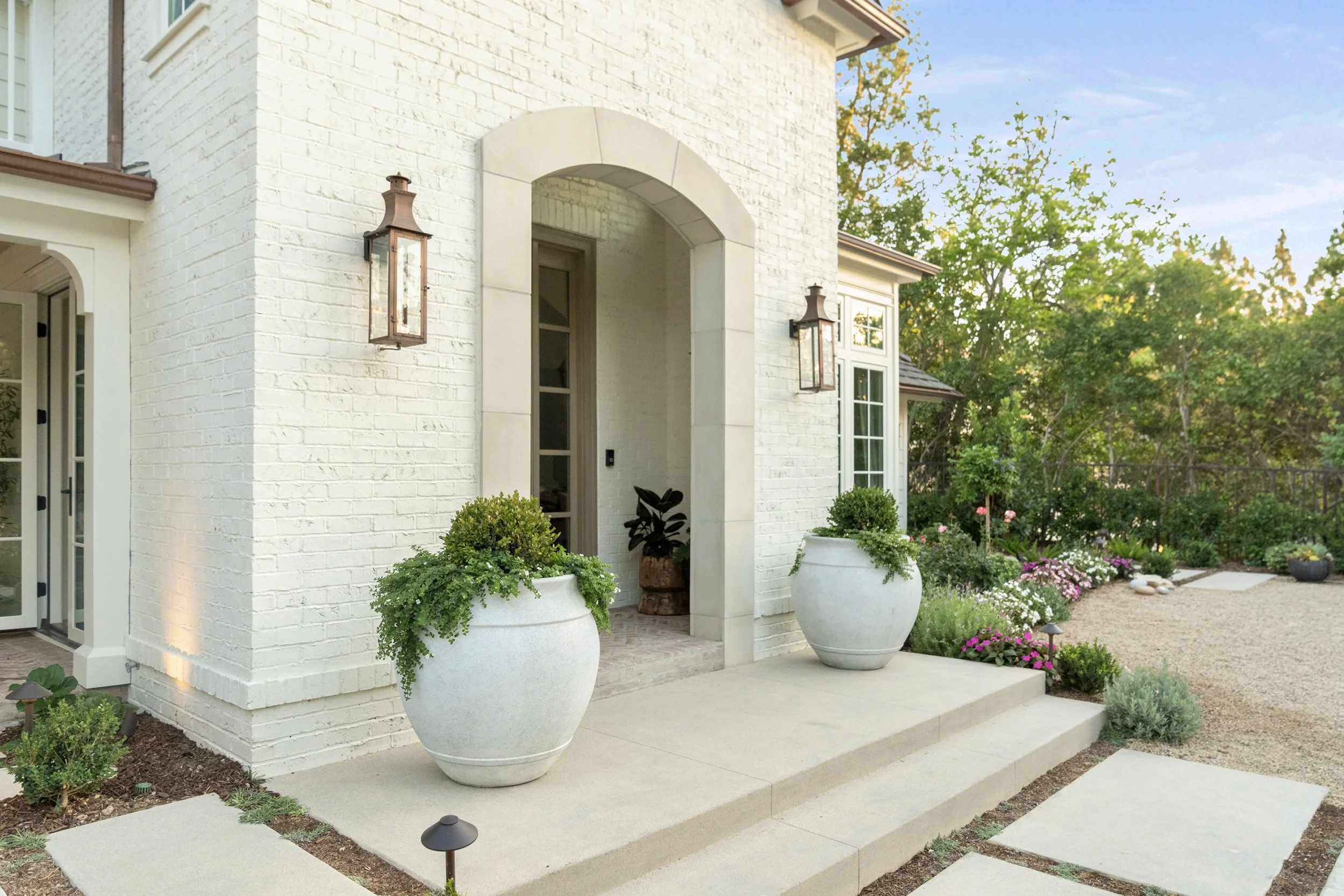
Mortar-wash and textured brick. Manufacturers like Boral Brick and Belden Brick produce lines that combine extruded precision with a sand-finish or worked texture, giving a brick face enough depth and variation to take a mortar wash well. Mortar washing itself, working mortar across the face of the brick and partially wiping it back, leaves a soft, aged patina rather than crisp, clean joints. It’s a deliberate architectural choice, popular on French Country and English Manor-style homes, and it requires a mason who understands how much mortar to leave and where, since the effect is easy to overdo.
Clean, modern brick veneer. For homes with a cleaner, more contemporary brief, a line like Pacific Clay Products delivers a precise, tightly controlled color range and a crisp extruded finish, giving a modern architectural look without the aged texture of a hand-molded line.
Choosing among these isn’t a matter of preference. It’s a matter of knowing the lines well enough to match one to the architecture the home is actually built in.
Pattern Is Architecture, Not Decoration
The pattern brick is laid in changes how a wall reads from the street and how a paved surface reads underfoot. A few patterns come up often in the kind of work we do:
Sawtooth pattern. Bricks set at an angle to the wall face, creating a jagged, toothed profile along a cornice, header course, or garden wall cap. It’s a detail lifted from traditional English and early American brickwork, and it adds real architectural texture to an otherwise flat structure, a chimney cap, a low garden wall, a column, without requiring a change in material.
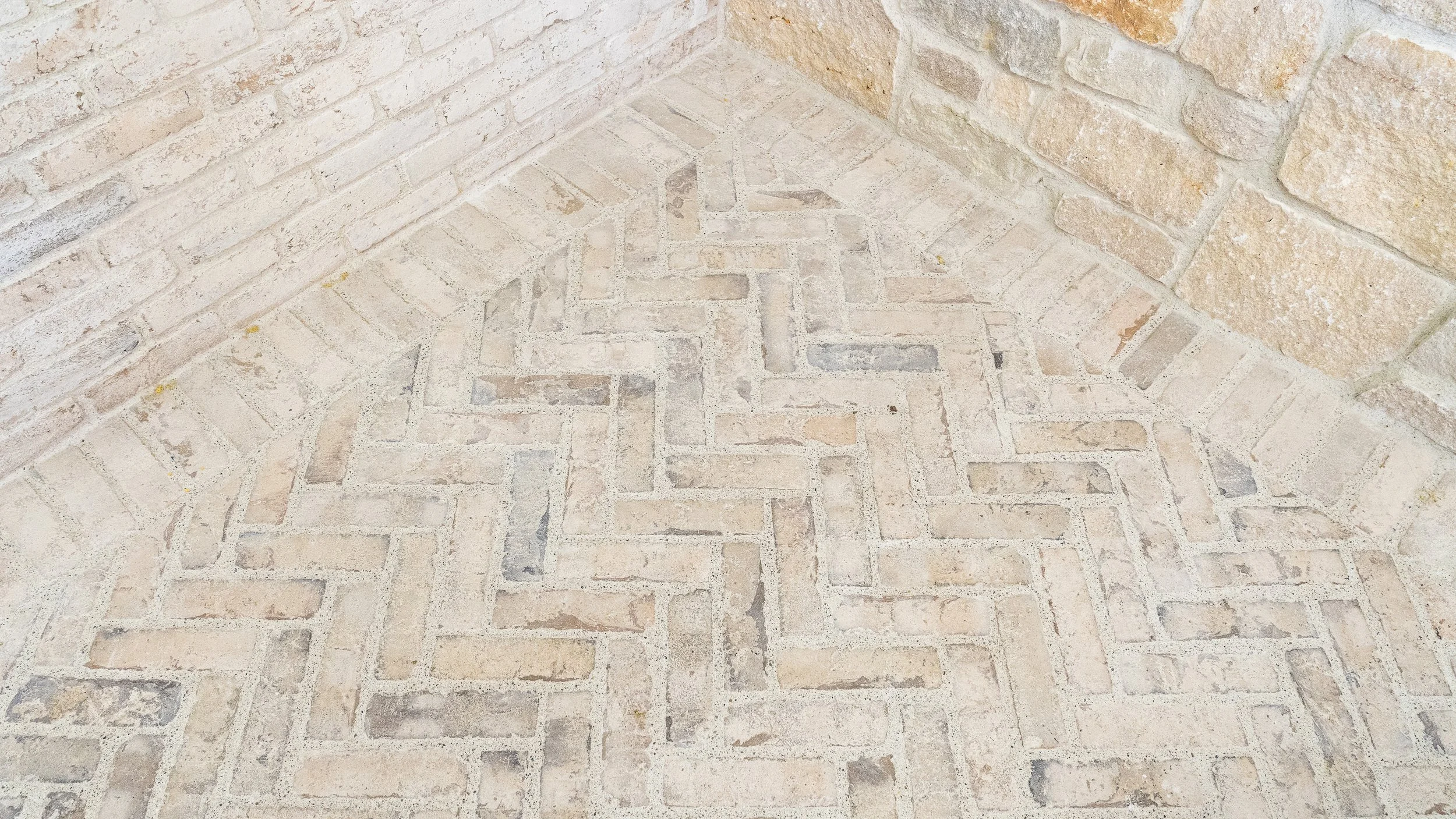
Herringbone pattern. Most often used in paving rather than vertical brickwork, herringbone lays each unit at a 45- or 90-degree angle to its neighbor in a repeating zigzag. It’s one of the strongest patterns structurally for a paved surface carrying foot or vehicle traffic, and visually it reads as more custom and more intentional than a simple running bond underfoot.
Running bond and Flemish bond. The two most common patterns for vertical brick walls and facades, still the right choice for a large percentage of homes, but only when applied deliberately rather than by default.
The pattern is not an afterthought applied at the end of the design process. It’s decided alongside the brick line itself, based on the architecture of the home and what the brickwork is actually meant to accomplish.
Where This Level of Detail Shows Up Best
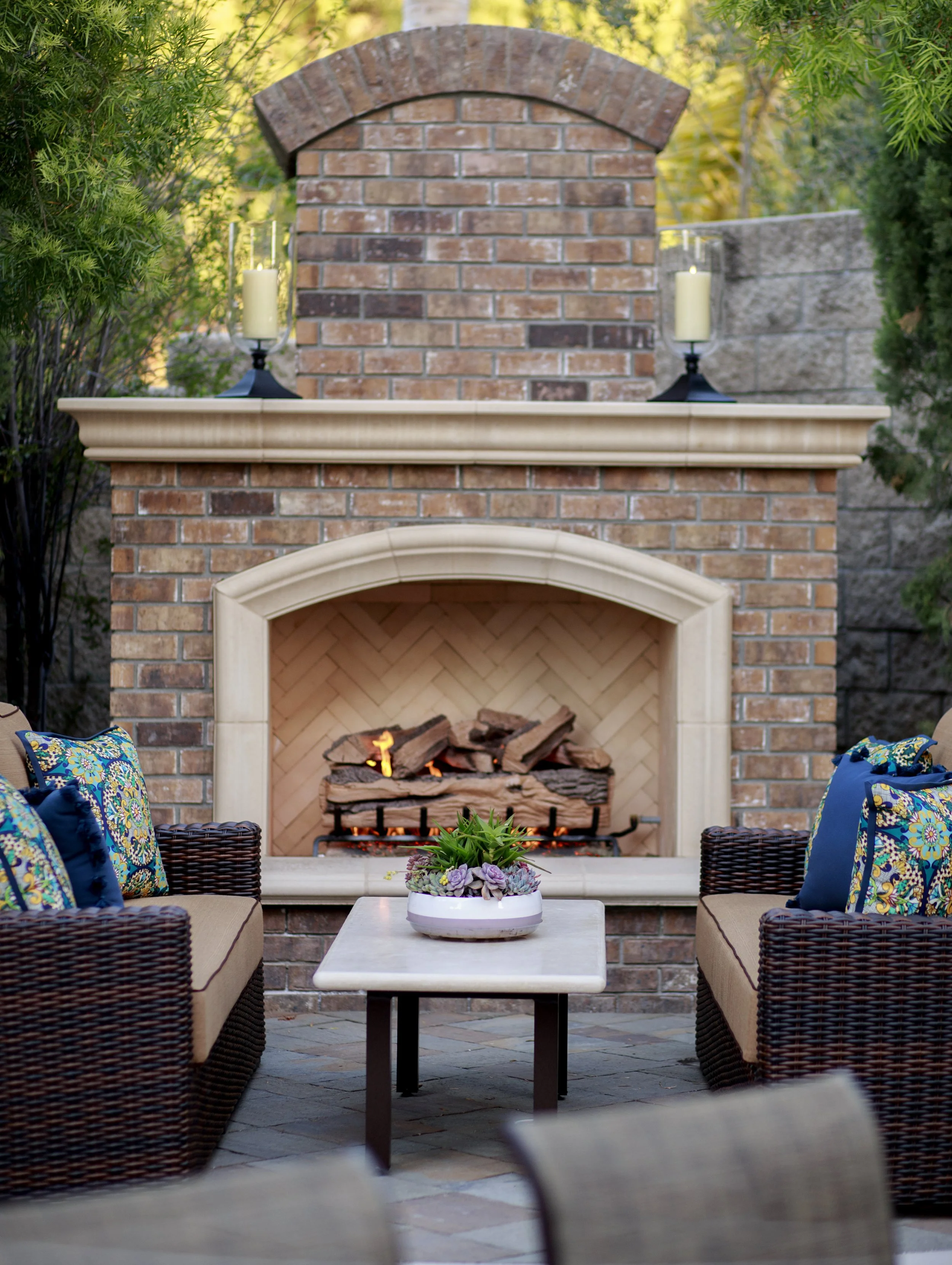
This kind of brickwork rarely stands alone as a full structure on a modern residential property. It shows up with intention: a hand-molded brick facade at the entry, a sawtooth-capped garden wall, a herringbone brick paving pattern connecting a courtyard to a motor court, a mortar-washed chimney surround. The strongest results come from treating brick as one material in a considered palette, chosen alongside stone, stucco, or plaster, and detailed with the same care given to the home’s architecture itself.
What This Level of Brickwork Costs
Real numbers, not a call-for-pricing wall. A brick veneer facade using a standard or thin brick line generally runs $40,000 to $65,000, depending on square footage and bond pattern. Hand-molded or mortar-wash brick, along with detailing like sawtooth coursing or herringbone paving, typically pushes costs higher due to the material cost of the brick itself and the additional skill and time required to execute the pattern correctly. A full brick exterior or an estate-scale project integrating multiple brick applications can extend well beyond that range.
Where West Hills Masonry Works
West Hills Masonry builds brick facades, accent walls, and integrated hardscape brickwork for homeowners across Orange County, including Coto de Caza, Newport Beach, Laguna Niguel, Dana Point, and Yorba Linda.
Frequently Asked Questions
What makes one bricklaying company better than another?
The details that are easy to miss and expensive to fix later: correct bond pattern for the application, properly tooled mortar joints, the right brick for the exposure, and proper flashing and weep holes behind any veneer.
Why does brick veneer fail?
Most brick veneer failures come from trapped moisture, not the brick itself. Without proper flashing and weep holes, water that gets behind the veneer has nowhere to drain, leading to efflorescence and long-term damage.
How much does brick masonry cost in Orange County?
A brick veneer facade or accent wall generally runs $40,000 to $65,000, with larger brick exteriors or integrated hardscape brickwork extending beyond that depending on scope.
Does West Hills Masonry build brick veneer and full brick structures?
Yes. West Hills Masonry builds brick facades, accent walls, chimney surrounds, and garden walls as part of larger hardscape and masonry projects across Orange County.
What areas does West Hills Masonry serve for brick masonry work?
West Hills Masonry serves Orange County, including Coto de Caza, Newport Beach, Laguna Niguel, Dana Point, and Yorba Linda.
If you’re planning a brick facade, accent wall, or hardscape project and want it built with the details that actually hold up over time, call West Hills Masonry at 714-519-5009 to talk through your project.