
The Architecture Rule San Juan Capistrano Won’t Let You Break
Key Takeaways:
• San Juan Capistrano carries real architectural history, and certain materials read as authentic to the area while others visibly clash
• Warm-toned stone, aged brick, and hand-troweled textures tend to belong here in a way polished, modern materials don’t
• Some areas of the city fall under historic district guidelines that directly affect what can be built and how
• Designing within an established architectural language is a different skill than designing on a blank canvas
Most cities in Orange County were built in the last several decades, and their hardscape can take almost any direction a homeowner wants. San Juan Capistrano is different. This is one of the oldest continuously inhabited places in California, home to Mission San Juan Capistrano itself, and that history shapes the entire town’s architectural character in a way that has real consequences for anyone building here.
Some Materials Belong Here. Others Visibly Don’t.
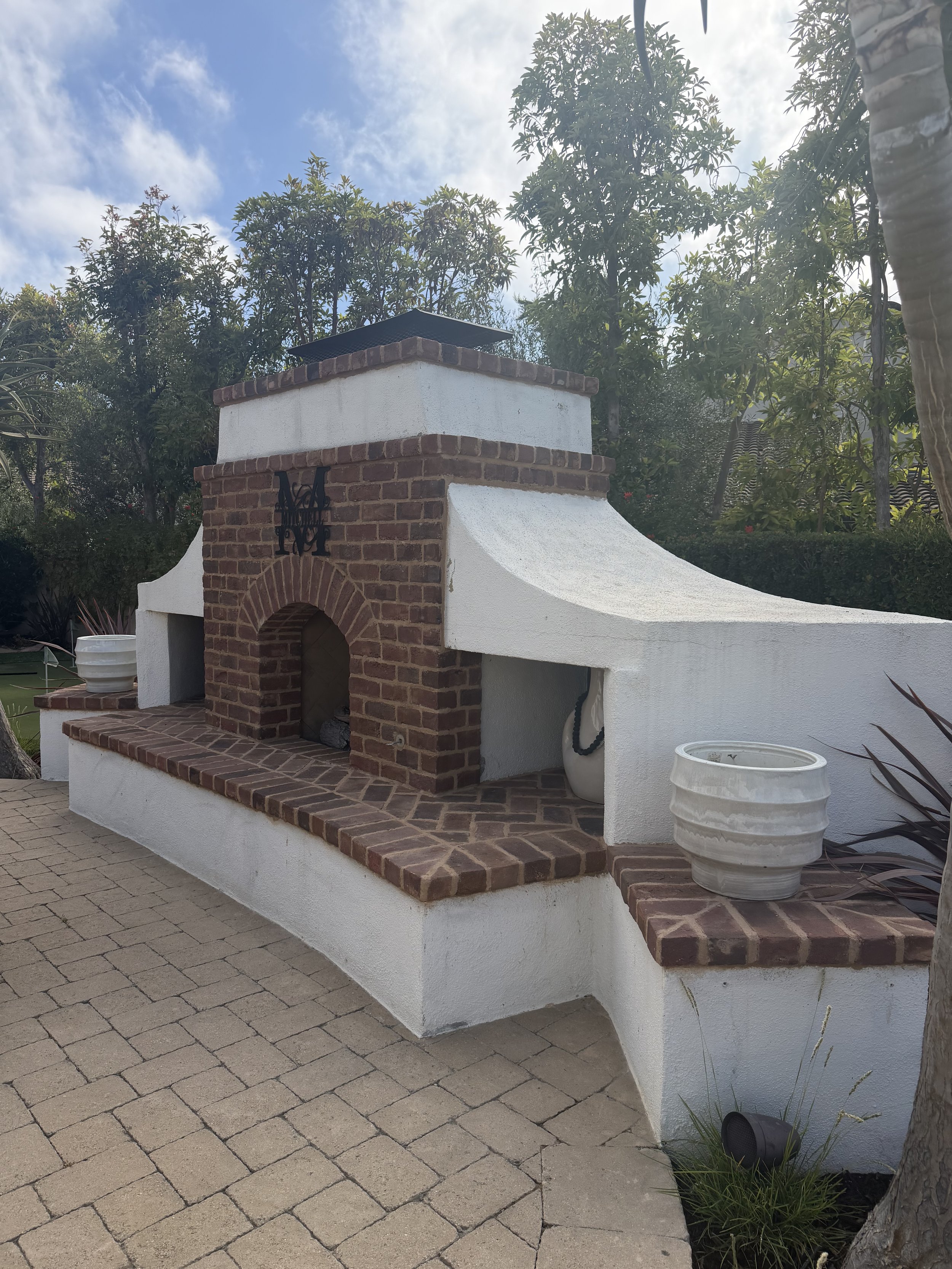
Walk through the older parts of San Juan Capistrano and a pattern emerges quickly: warm, earthy stone tones, aged and weathered brick, hand-troweled stucco textures, wrought iron detailing. This isn’t accidental. It’s a direct architectural echo of the mission era, and it’s woven into building codes, homeowner expectations, and the simple visual logic of the neighborhood.
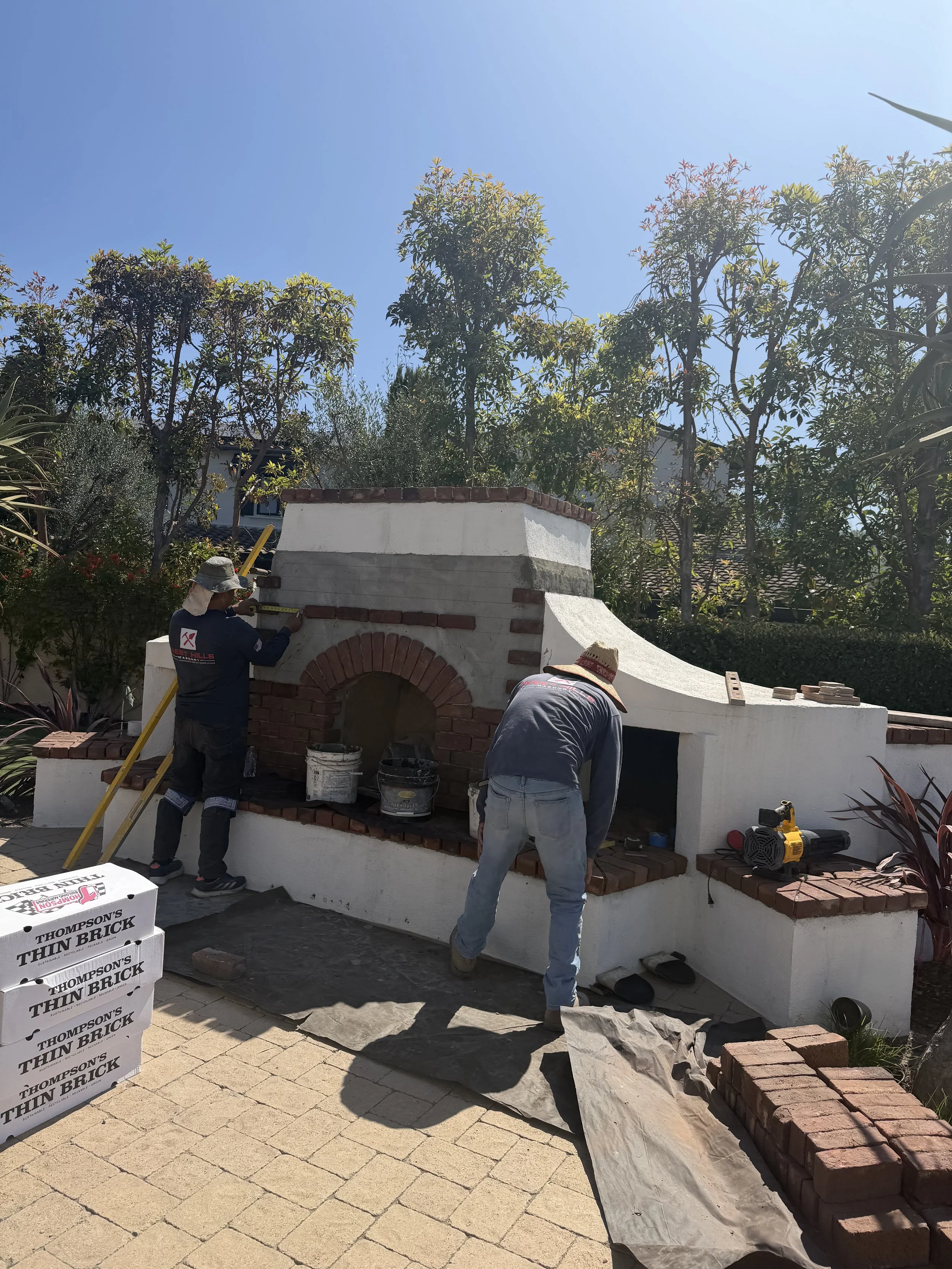
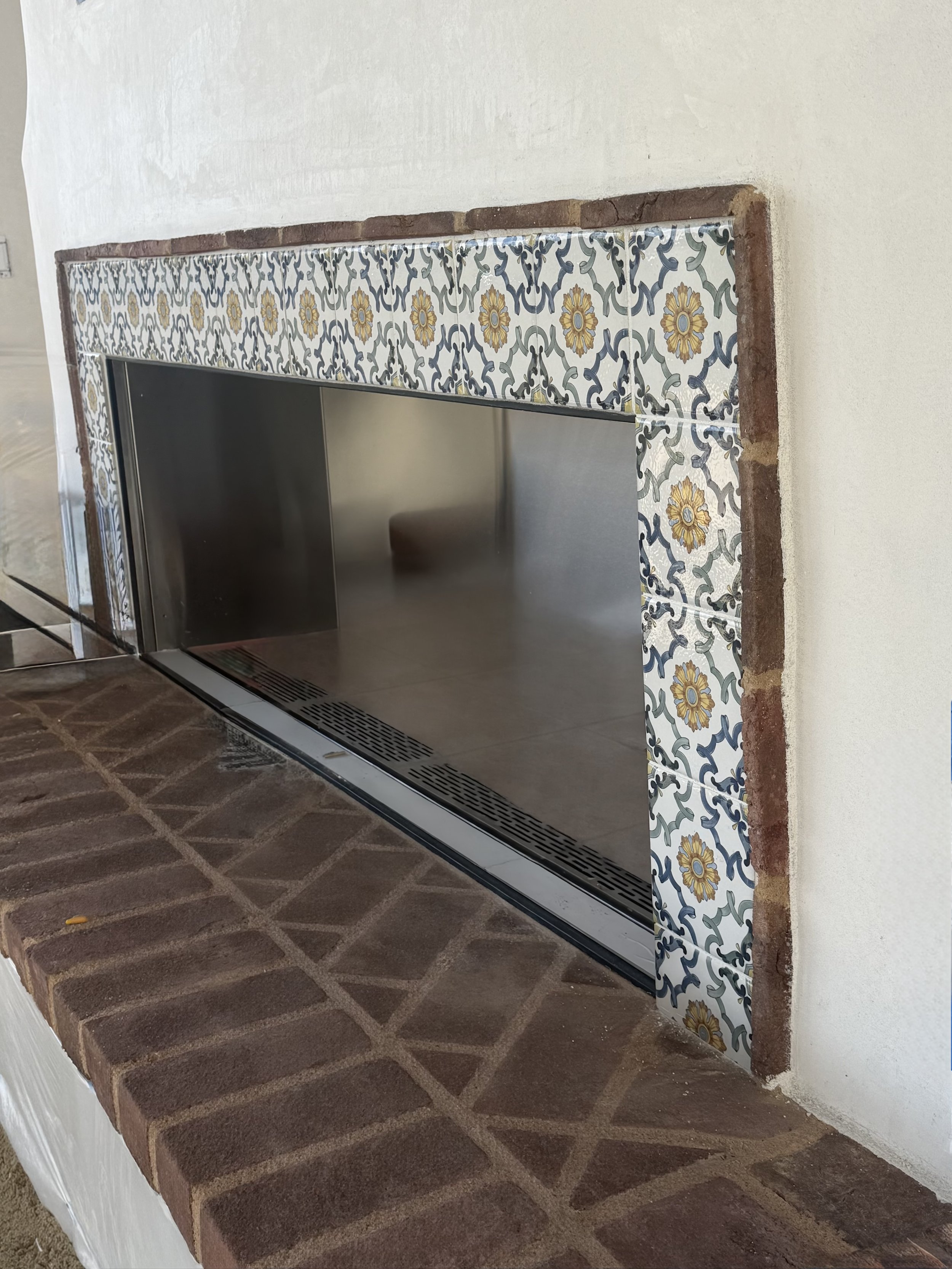
A high-polish, contemporary paver or a cool-toned modern stone that would look completely at home in a Newport Coast or coastal-modern project can look genuinely out of place here not wrong in isolation, but disconnected from everything around it. We select materials for San Juan Capistrano projects with this in mind from the first conversation: warmer stone tones, brick with age and texture rather than a uniform manufactured finish, ironwork that echoes the mission-era details found throughout the city rather than a sleek, modern profile.
Historic District Rules Are Real, Not a Suggestion
Certain areas of San Juan Capistrano fall within designated historic districts, where design review can directly govern material, color, and in some cases structural elements visible from the street. This isn’t unique to hardscape it applies to nearly any visible construction in these zones but it does mean a project here can require a different permitting and design-approval sequence than an equivalent project in Dana Point or Laguna Hills.
The projects that move smoothly through this process are the ones where historic district requirements are identified and designed around from the outset, rather than discovered after a design is already finalized and has to be reworked. Knowing which streets and zones carry this designation, and what specifically gets reviewed, is part of what makes a San Juan Capistrano project different to plan than one just a few miles away.
Designing Within a Language Instead of Starting From Nothing
There’s a specific design discipline required when a place already has a strong, established architectural identity. On a newer property in Ladera Ranch or a coastal-modern lot in Newport Beach, a designer often starts with a relatively blank canvas. In San Juan Capistrano, the canvas already has two hundred years of visual language on it, and the job is to build something that adds to that language rather than arguing with it.
That means restraint in color palette. It means choosing stone and brick that could plausibly have aged into a property rather than materials that announce themselves as brand new. It means iron and wood detailing that nod to the mission era without becoming a costume-like recreation of it. Done well, a modern outdoor living space in San Juan Capistrano can feel like it’s always belonged on the property. Done without this discipline, even a beautifully built patio can feel like it landed there from somewhere else.
Why This Matters Beyond Aesthetics
This isn’t only a matter of taste. Properties in San Juan Capistrano often carry a premium specifically because of the character of the surrounding area, and hardscape that respects that character protects the value of that premium. A project that clashes with its surroundings doesn’t just look wrong it can visibly diminish the sense of place that made the property desirable in the first place.
If you’re planning a project in San Juan Capistrano or another area of Orange County with established architectural character, material selection deserves careful thought from the very first design conversation. Schedule a consultation at westhillsmasonry.com/contact or call (714) 519-5009.