
Mortar Wash Finishes: A Design Technique for New Brick and Stone Installations
Key Takeaways
Mortar wash is applied after the brick or stone is installed and the joints are complete, using the same mortar color as the joint work
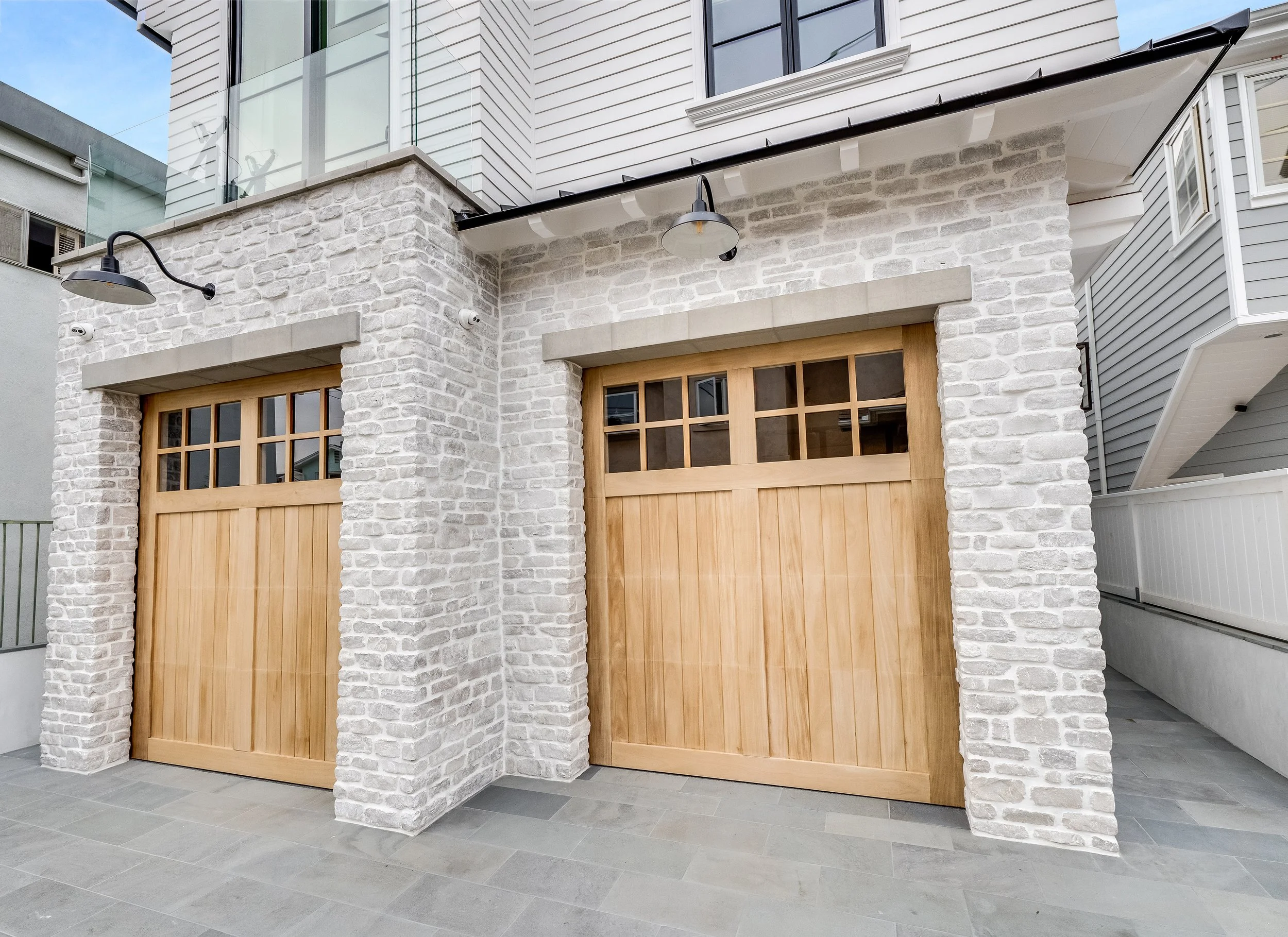
The technique can shift a material's dominant color dramatically, such as pulling a brown body brick toward a dominant white with brown undertones showing through
Coverage is applied in light, medium, or heavy passes depending on how much of the base color should remain visible
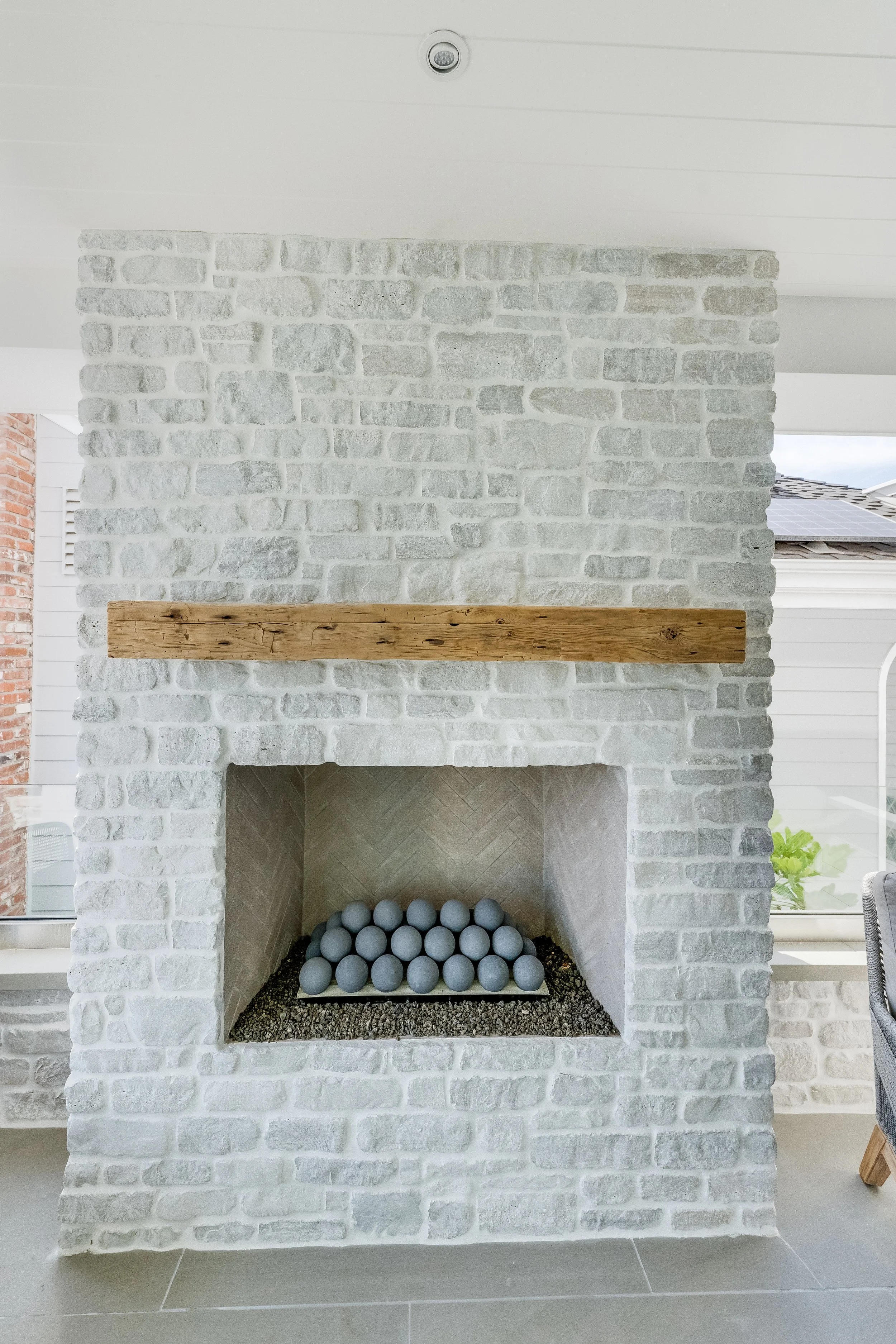
The result is a randomized, film-like finish, not a painted one; no two bricks or stones take the wash identically
Homeowners should go into this technique expecting variation they cannot fully control, since that variation is the source of the finish's character
The Mortar Wash Technique: Building Color Into New Brick and Stone
Some of the most striking brick and stone facades we build are not the result of material selection alone. They come from a finishing technique applied as the final step of a new installation, one that shapes the character of a wall as much as any single material choice: the mortar wash.
We use this technique regularly on facade and hardscape work for clients in Newport Beach, San Clemente, and Coto de Caza who want the texture and permanence of real brick or stone, but a color story that the raw material alone will not give them.
What a Mortar Wash Actually Is
A mortar wash happens after the material is fully installed and the mortar joints are complete, not before. Once the brick or stone is set and the joint work is finished, we come back over the entire surface with a wash coat using the same mortar color used in the joints themselves. That detail matters: the wash and the joints read as one continuous material, rather than two separate finishes competing with each other.
The visual effect can be dramatic. A brown body brick, washed in white mortar, will not simply gain a white tint. Applied correctly, the wash can shift the wall's dominant appearance to white, with the brick's original brown tone showing through only as an underlying warmth, visible in patches and edges rather than across the whole face. The same principle applies to stone facades, where a wash can mute a busy, high-contrast stone into a single unified tone, or introduce a new color note the stone never had on its own.
Controlling the Coverage
How much of the base material shows through depends entirely on how heavily the wash is applied. We typically describe this in three tiers: light, medium, and heavy.
A light application leaves most of the brick or stone's original color and texture visible, with the wash adding only a soft veil of the new tone, mostly settling into the material's natural low points and texture.
A medium application starts to shift the overall impression of the wall. The base color is still present and visible, but the wash color becomes an equal, sometimes dominant, presence across the face.
A heavy application pushes the wash color to the foreground. The base material's color becomes a supporting undertone rather than the main event, visible mostly in the material's natural texture, edges, and recesses where the wash sits thinner.
None of these tiers is objectively better than the others. The right coverage level depends entirely on how much of the original material's character a client wants preserved versus how completely they want the new tone to take over.
Why the Result Can Never Be Fully Controlled
This is the part every client needs to understand before we start: a mortar wash is not paint. Paint is a concentrated, uniform coating designed to cover evenly and predictably. A mortar wash is not concentrated in that way, and it does not behave like one.
Every individual brick or stone has its own texture, porosity, and surface character, and the wash interacts with each of those differently. Some units will take the wash more readily and show more of the new color. Others will resist it and let more of the base material show through. The result is a genuinely random, film-like finish across the entire surface, with natural highs and lows in both color and texture from one brick or stone to the next.
This is not a flaw in the technique. It is the entire reason the technique produces something that reads as authentic and aged rather than manufactured. But it does mean that no two walls, and no two bricks within the same wall, will take the wash in exactly the same way. A client who wants a perfectly uniform, evenly distributed color change is asking for something a mortar wash cannot deliver, and we tell clients that directly before we begin. The appeal of this finish is precisely its variation, and that variation cannot be dialed in with precision the way a paint color can.
Where We Use This Technique
Mortar wash is best planned as part of the original design, applied to both vertical brick and stone facades and to hardscape features immediately after installation and joint work are complete. Because the wash color is chosen alongside the mortar joint color from the start, it gives clients a way to specify an exact final appearance for a new facade or hardscape feature, one that a single manufactured brick or stone color could never deliver on its own.
It also opens up material choices that might otherwise get ruled out at the selection stage. A brown body brick that would normally read too warm or too busy for a client's design direction becomes a viable option once a wash is built into the plan, since the wash lets us dial the finished color toward exactly what the design calls for during the build itself, rather than settling for whatever color the raw material comes in.
If you have a brick or stone facade that feels like it is fighting the rest of your home's design, or you are planning new masonry work and want to discuss how a mortar wash finish could factor into the material selection, we would welcome the conversation. Reach out at westhillsmasonry.com/contact or call us directly at 714-519-5009.